Five beginning of the year survey questions that works across teams
Early in the year, teams across organizations are making decisions that will quietly influence the months ahead. As roadmaps begin to form and priorities take shape, there’s no shortage of data, opinions, or ideas, but there is a quiet uncertainty about what should come first. Whether it’s product direction, customer experience, or market research, asking the right questions in the beginning of the year helps teams focus their efforts before assumptions begin to harden.
At this point, deciding what to ask without getting caught in layers of complexity or competing priorities can be challenging. Across teams and use cases, a small set of questions consistently helps surface what matters most and where attention should go early. Below, we’ve brought together five questions that tend to work well across contexts. We’ll take a closer look at each.

- Five questions every team should ask at the start of the year
- How these survey questions guide better decisions
Five questions every team should ask at the start of the year
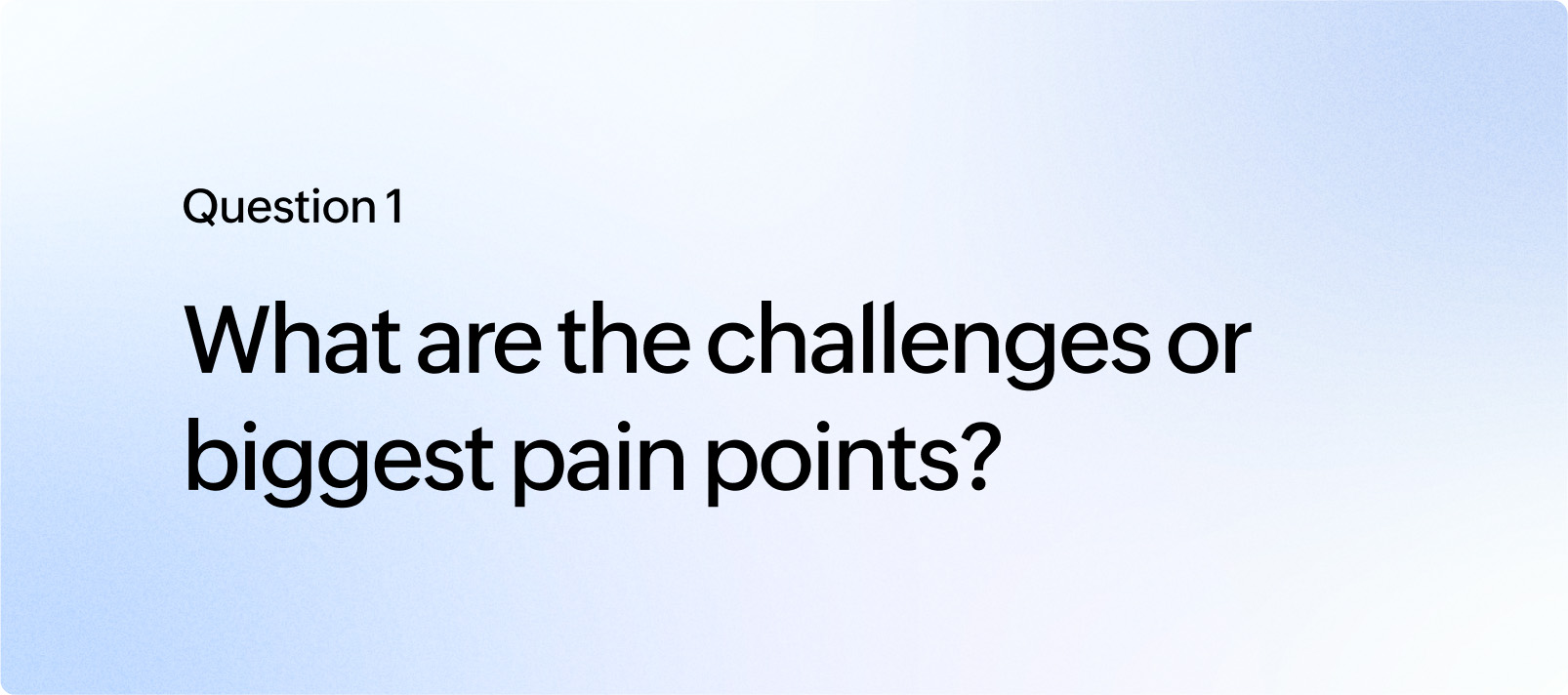
This question does the most obvious but most necessary work: it surfaces where things feel broken or frustrating. Pain points are often obvious in hindsight, but surprisingly easy to overlook when teams are planning ahead. Used well, it highlights not just what’s wrong, but what demands attention before it quietly compounds into churn, drop-offs, or disengagement.
![On a scale of 0 to 10, how easy was it to [complete a specific task] today? (CES)](/sites/zweb/images/survey/insights/survey-question-2.jpg)
Effort is one of the most reliable signals of future behavior. An experience can be appreciated, even liked, while still feeling unnecessarily hard. This question helps teams separate perceived value from actual ease. When effort scores are high, it often points to process issues like steps that are confusing, workflows that interrupt momentum, or moments where users have to think harder than they should. Early visibility into effort helps teams address friction before it becomes avoidance.
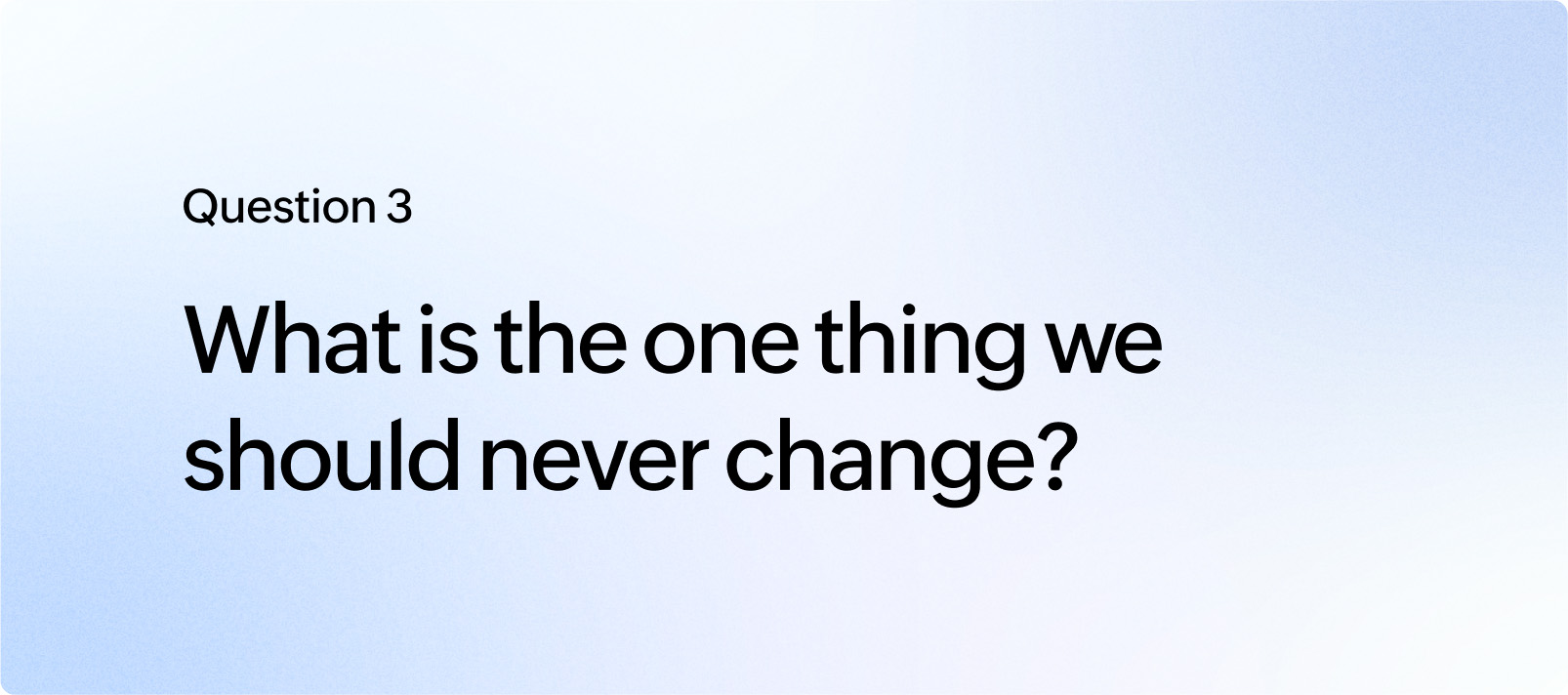
Not all progress comes from fixing problems. Some of it comes from knowing what not to touch. This question surfaces the parts of the experience that customers value most, often in ways teams underestimate. It highlights emotional anchors or aspects of the product or service that quietly earn trust. Asking this early in the year helps teams avoid breaking what already works while chasing new ideas or improvements.
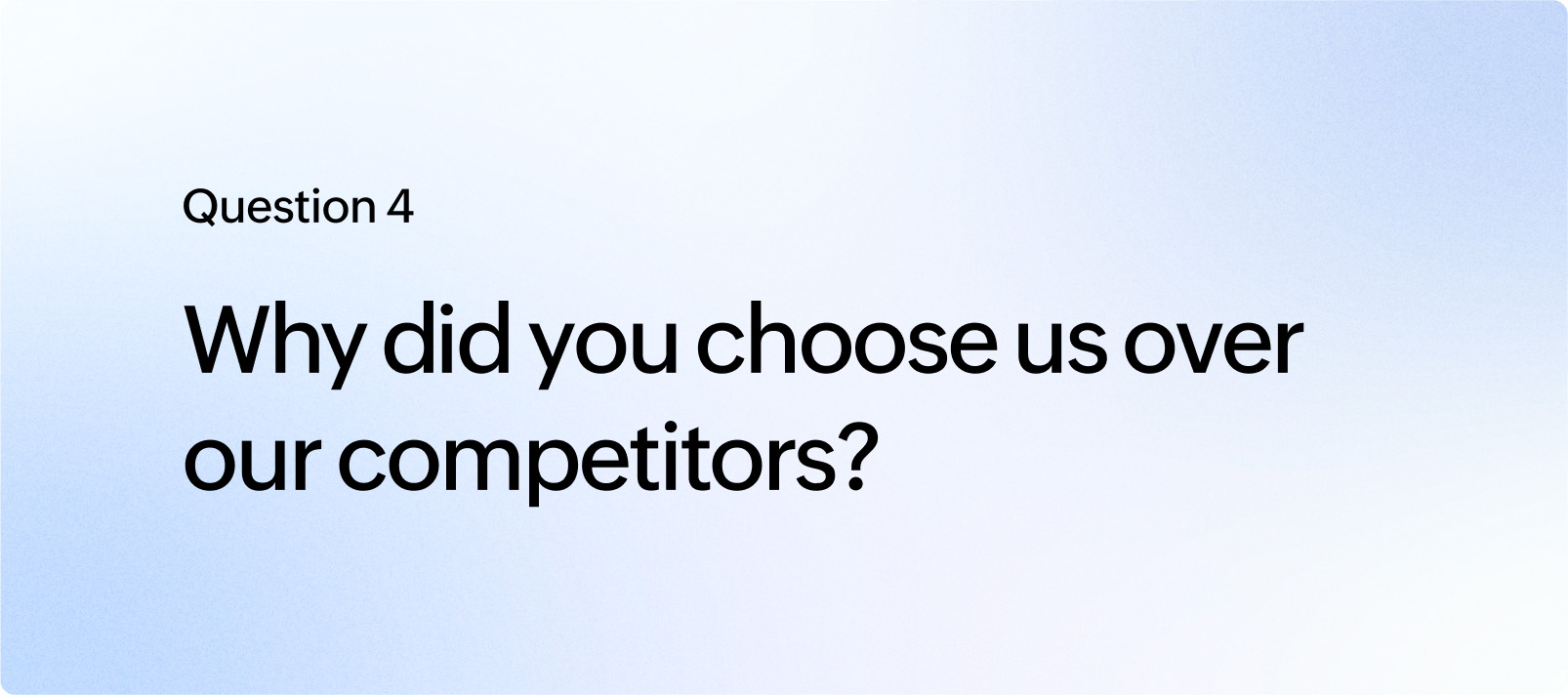
This question helps teams understand exactly why customers chose them over competing options. Rather than relying on broad satisfaction scores, it brings out the specific moments, features, or perceptions that tipped the decision in their favor. Over time, these responses can reveal subtle differentiators that competitors may not be addressing as well. These patterns often point to what truly sets a team apart and what encourages retention, highlighting a USP (Unique Selling Proposition) that is worth strengthening.
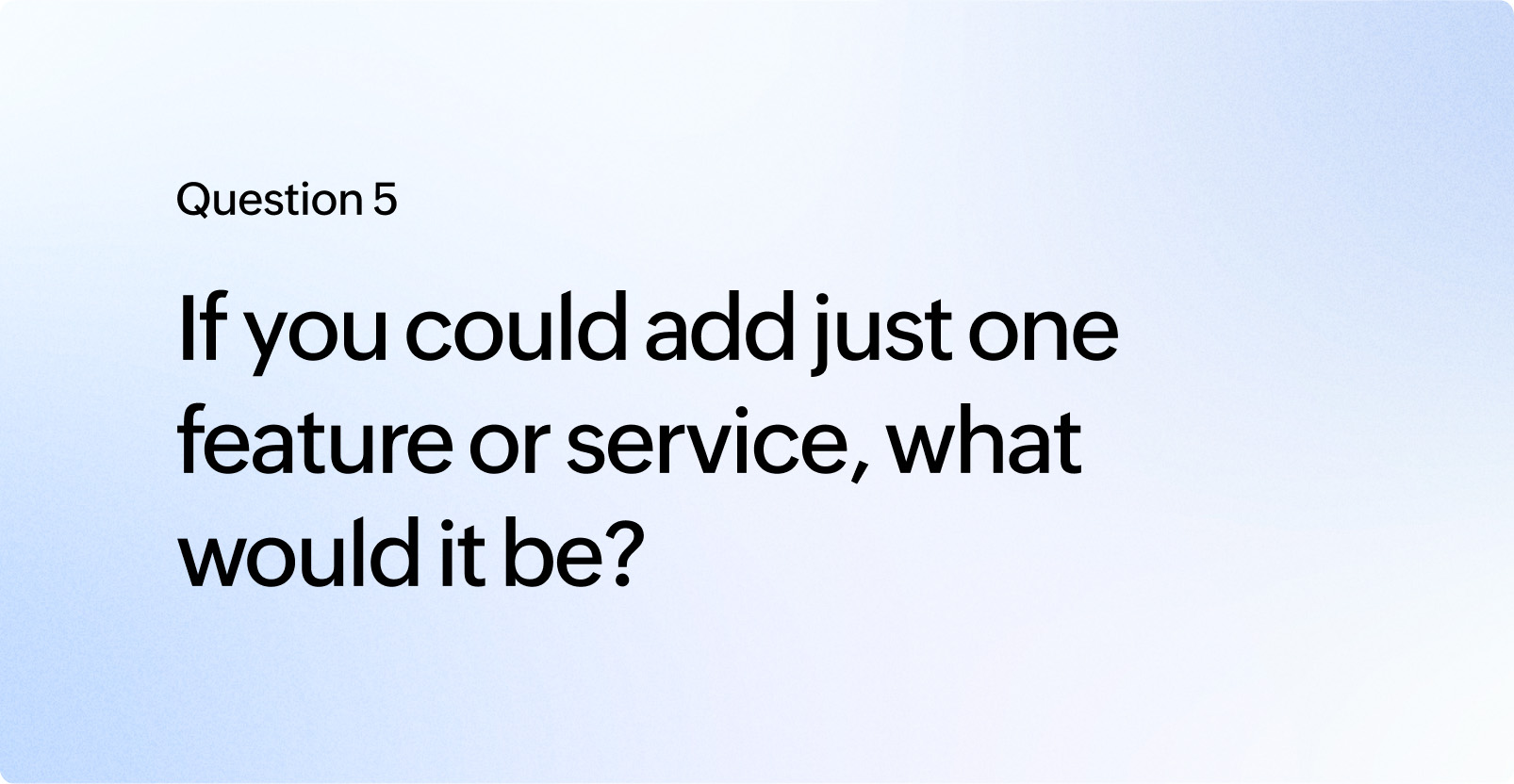
This question works because it forces a choice. While internal plans may include several enhancements across the pipeline, this question highlights what customers feel the need for most immediately. Asked early, it helps teams prioritize with confidence, grounding roadmap decisions in real customer urgency rather than assumptions or internal momentum.
How these survey questions guide better decisions

These questions work best when they’re treated as a set, not as isolated prompts. Each one reveals a different signal, but the real clarity often comes from reading them together. Looking at where pain points and effort scores overlap, or where stated differentiators conflict with requested improvements, helps teams identify gaps and take necessary action.
It’s also worth resisting the urge to add more questions, unless absolutely necessary. More questions often create more data, not better insight.
Whether you’re gathering customer feedback, shaping research priorities, or validating product roadmaps, here's a template with these five questions that will help you start quickly and arrive at insights faster. Download this template