
Leadership Fieldnotes #2: Balancing patience and urgency — Mani Vembu
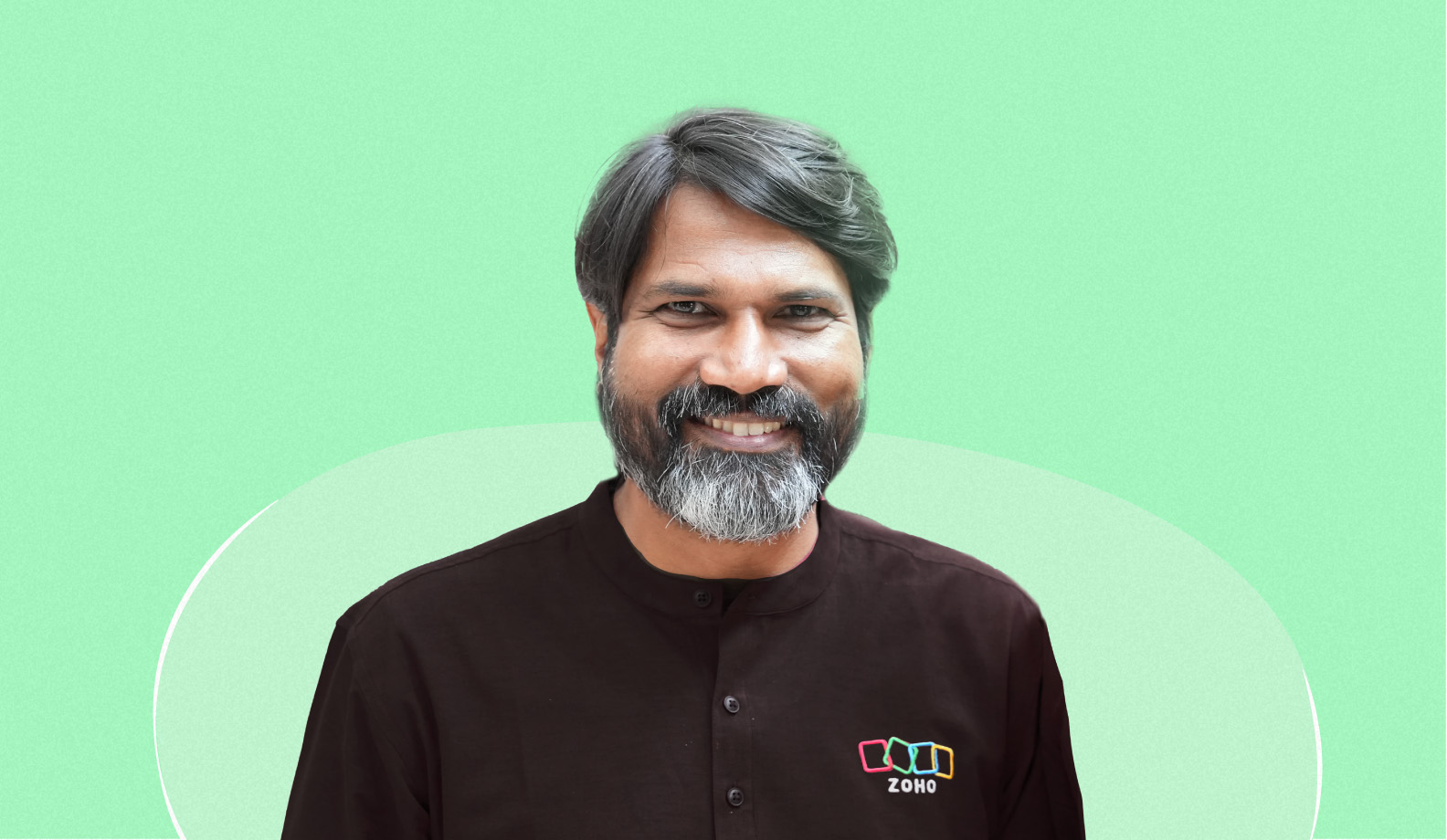
(Welcome to Leadership Fieldnotes, a series that draws from the Zoho leadership's notes to the organization on Connect, our workplace intranet platform and knowledge base. The following is a slightly edited version of a note from Mani Vembu, CEO of Zoho.com, originally posted on 14 October 2025.)
We build products to solve problems. For some problems we solve, we keep pushing forward, investing heavily in R&D. For others, we decide to minimize investment or shut them down. From the outside, these decisions might seem inconsistent or even contradictory. But understanding how we make these calls makes it easier to know when to stay persistent and when to let go.
A bit of history
None of the products we built back in 1996 exist today. That means we made tough decisions to shut those products down at the right times. Our very survival today is because of those hard choices. Some companies are lucky to pick problems with a long shelf life, but not all of us have that fortune. Our telecom market grew fast but was short-lived, and when it stagnated in 2003, we boldly shifted focus to new markets.
Even in 2003, telecom products were evolving, and the team was busy supporting customers and building new features. But the market outside had changed completely and the products we built were not relevant and so we had to face that reality. That meant asking everyone who worked so hard on those products to start fresh, building new products for newer markets. If Sridhar Vembu (co-founder and then-CEO of Zoho Corporation) hadn’t made that tough decision, Zoho wouldn’t be here today. Zoho and ManageEngine were born from that very decision to let go.
The courage to let go and the perseverance to stay the course when it counts defines the legacy we build.
So, how do we decide when to be patient and execute and when to let go?
If the market is big enough or the technology foundational, patience is essential. Problems like communication, accounting, sales, HR, ITSM, and security have long shelf lives. That problem is relevant for a long period of time even though technology has evolved. If we have not yet found product-market fit or traction, it is worth staying the course. But if the market is small, growth limited, and no new technology breakthrough is possible, it is better to move on or lower our investment in that area.
We cannot build the future by staring in the rear-view mirror. The question to ask is: Are we holding on to past efforts or learning from them and moving forward to solve new problems that truly matter?
This balance between patience and urgency is the heartbeat of innovation. It is the difference between stagnation and evolution. The courage to let go and the perseverance to stay the course when it counts defines the legacy we build.


